

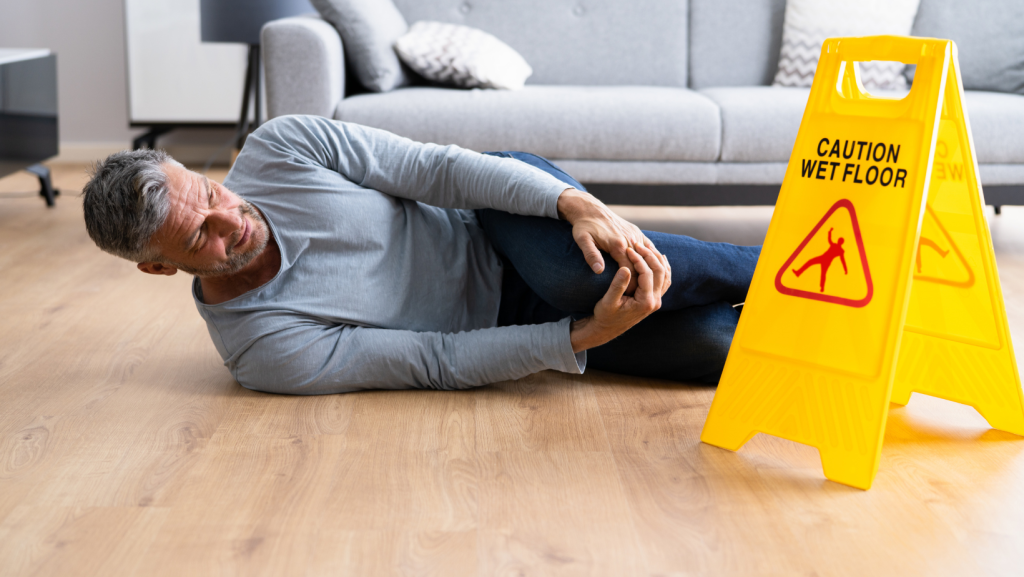
Slip and fall accidents can happen anywhere—at a grocery store, a private residence, or even on a public sidewalk. When these accidents lead to injury, medical bills can quickly add up. Understanding who is responsible for paying these expenses under Connecticut law is essential to protecting your rights and avoiding unnecessary financial strain.
Understanding Liability in Slip and Fall Cases
In Connecticut, property owners and occupiers have a legal duty to maintain their premises in a reasonably safe condition. This includes regularly inspecting the property and addressing hazards such as wet floors, icy walkways, loose carpeting, or uneven pavement.
If a property owner fails to correct or warn about a dangerous condition and someone is injured as a result, they may be held liable for damages—including medical expenses.
Key Factors That Determine Responsibility
Several factors are considered when determining liability in a slip and fall case:
- Property owner’s knowledge: Did the owner know about the hazard, or should they have discovered it through reasonable inspection?
- Reasonable care: Did the owner take appropriate steps to fix or warn about the dangerous condition?
- Comparative negligence: Connecticut follows a modified comparative negligence rule, meaning your compensation may be reduced if you are partially at fault
For example, if a store owner failed to clean up a spill or post warning signs, they may be held responsible. However, if the injured person was distracted or acting carelessly, their compensation could be reduced based on their share of fault.
Medical Expenses You May Be Able to Recover
If you can prove that a property owner’s negligence caused your injuries, you may be entitled to recover compensation for:
- Emergency room and hospital bills
- Doctor visits and specialist care
- Physical therapy and rehabilitation
- Prescription medications
- Future medical expenses related to your injury
- Lost wages due to time away from work
These damages are intended to help you recover both financially and physically after an accident.
What You Should Do After a Slip and Fall
Taking the right steps immediately after a slip and fall accident can strengthen your claim:
- Seek medical attention as soon as possible
- Report the incident to the property owner or manager and request documentation
- Take photos or videos of the hazard and your injuries
- Collect contact information from witnesses
- Keep all medical bills, receipts, and related records
Proper documentation can make a significant difference in proving liability and recovering compensation.
Connecticut Law and Time Limits
Connecticut law generally allows two years from the date of the accident to file a personal injury claim. Missing this deadline can prevent you from recovering compensation, regardless of the severity of your injuries.
Acting quickly can help preserve evidence and protect your legal rights.
Why Legal Representation Matters
Slip and fall cases often involve disputes over liability, especially when property owners or insurance companies attempt to deny responsibility.
An experienced personal injury attorney can:
- Investigate the circumstances of your accident
- Gather and preserve key evidence
- Determine all potentially liable parties
- Calculate the full value of your damages
- Negotiate with insurance companies or take your case to court if necessary
Having the right legal support can significantly improve your chances of a successful outcome.
Protect Yourself
Medical expenses after a slip and fall accident can quickly become overwhelming, but you may not have to bear those costs alone. Understanding your rights and taking prompt action can help ensure you receive the compensation you deserve.
If you or a loved one has been injured in a slip and fall accident in Connecticut, the experienced attorneys at Hastings, Cohan & Walsh, LLP are here to help guide you through the legal process and protect your rights.
Call us today at 203-438-7450 for a free consultation, or visit www.hcwlaw.com to download one of our FREE legal books and learn more about protecting your case.