

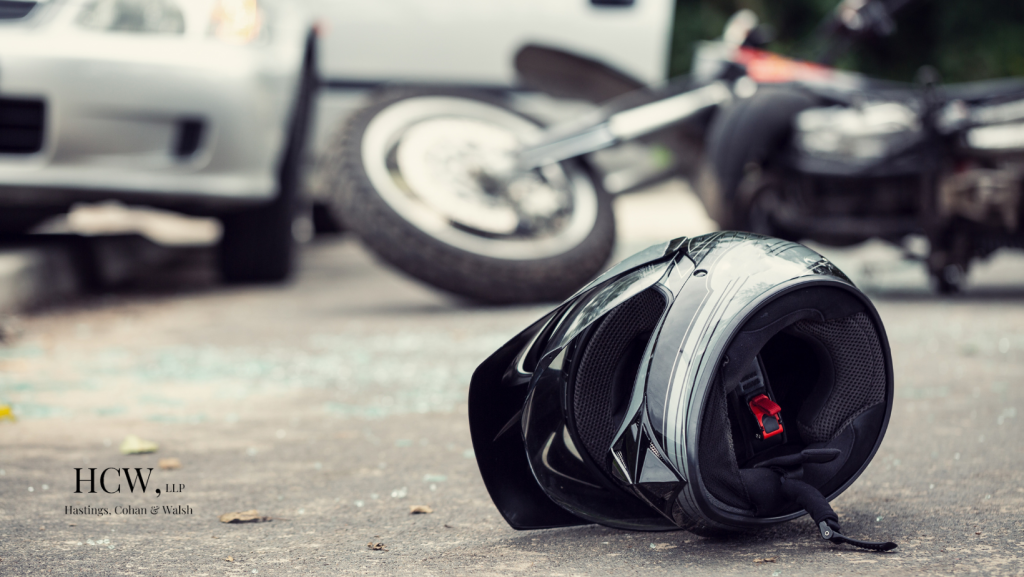
Riding a motorcycle offers freedom and excitement, but it also comes with serious risks. One factor that can significantly impact your motorcycle injury case is whether you were wearing a helmet at the time of the accident. Understanding how helmet use affects your claim under Connecticut law can play a critical role in the outcome of your case.
Connecticut Helmet Laws and Their Legal Implications
Connecticut law sets specific requirements for motorcycle helmet use, particularly based on age. While some riders are legally required to wear helmets, others have the option—but not the protection—from choosing not to.
Key points to understand include:
- Riders under 18 are required to wear a DOT-approved helmet
- Passengers under 18 must also wear helmets
- Riders and passengers over 18 are not legally required to wear helmets
Even when not required by law, wearing a helmet is strongly recommended for safety and can influence how your injury claim is evaluated.
How Helmet Use Influences Your Injury Claim
Helmet use can affect several aspects of a motorcycle injury case, particularly when it comes to damages and insurance arguments.
Important considerations include:
- Liability assessment: Helmet use typically does not determine who caused the accident
- Severity of injuries: Helmets can reduce the risk of serious head trauma, which may affect the value of your claim
- Comparative negligence: Not wearing a helmet may be used to argue that you contributed to the severity of your injuries
- Insurance tactics: Insurers may attempt to reduce payouts by claiming your injuries were worsened by not wearing a helmet
Connecticut follows a comparative negligence system, meaning your compensation may be reduced if you are found partially responsible for your injuries.
What This Means for Your Case
Whether or not you wore a helmet, you may still have a valid claim if another party caused the accident.
In general:
- Wearing a helmet can strengthen your position and reduce disputes over injury severity
- Not wearing a helmet does not prevent you from recovering compensation
- Your total recovery may be reduced if your injuries are found to be more severe due to lack of helmet use
- The at-fault party can still be held legally responsible for causing the accident
Each case is unique, and the impact of helmet use will depend on the specific facts and evidence involved.
Why Legal Representation Matters
Motorcycle accident claims can quickly become complex, especially when insurance companies attempt to shift blame or minimize compensation. Having experienced legal representation is essential to protect your interests.
An attorney can help:
- Evaluate how helmet use may affect your specific case
- Gather medical and accident evidence to support your claim
- Challenge insurance company arguments aimed at reducing compensation
- Negotiate a fair settlement or pursue litigation if necessary
Proper legal guidance ensures your rights are protected regardless of the circumstances.
Protect Yourself
Motorcycle injuries can have lasting physical, emotional, and financial consequences. Whether or not you were wearing a helmet, you deserve to understand your rights and pursue full compensation under Connecticut law.
If you or a loved one has been injured in a motorcycle accident in Connecticut, the experienced attorneys at Hastings, Cohan & Walsh, LLP are here to help you navigate your case and fight for the compensation you deserve.
Call us today at 203-438-7450 for a free consultation, or visit www.hcwlaw.com to download one of our FREE legal books and learn more about protecting your case.